.png)
From Plant to Palette: Unveiling the Magic of Indigo

Updated: Dec 8, 2025
What is indigo?
Indigo, as a color, is a deep blue‑violet that bridges the gap between cool blue and spiritual violet, which is why it often feels both soothing and intense. As a dye, “indigo” usually refers to pigments historically derived from plants in the Indigofera genus, especially Indigofera tinctoria, though other plants like woad in Europe also yield related blue dyes. In modern contexts, the word can refer either to the specific natural dye chemistry (indigotin) or to synthetic equivalents used in everything from jeans to art materials.

This Indigofera tinctoria, is a spreading tropical shrub from the pea family (2-6 feet tall and wide, with light green pinnate leaves made of 4-13 oval leaflets). It may be an annual, biennial or perennial, depending on the climate in which it is growwn.
It is grown in hot places like India, South America, and parts of Africa—it's often called "true indigo" because it was the main source for trade long ago.
In summer, it produces clusters of pretty pink or violet pea-like flowers, followed by slender seed pods. It thrives in full sun, well-drained soil, and warm climates (USDA zones 10-12), acting as a nitrogen-fixing legume that improves soil when used as a cover crop. The real magic hides in its leaves, which yield the famous blue dye after fermentation—though the plant itself shows no blue until processed
Cultural threads around the world
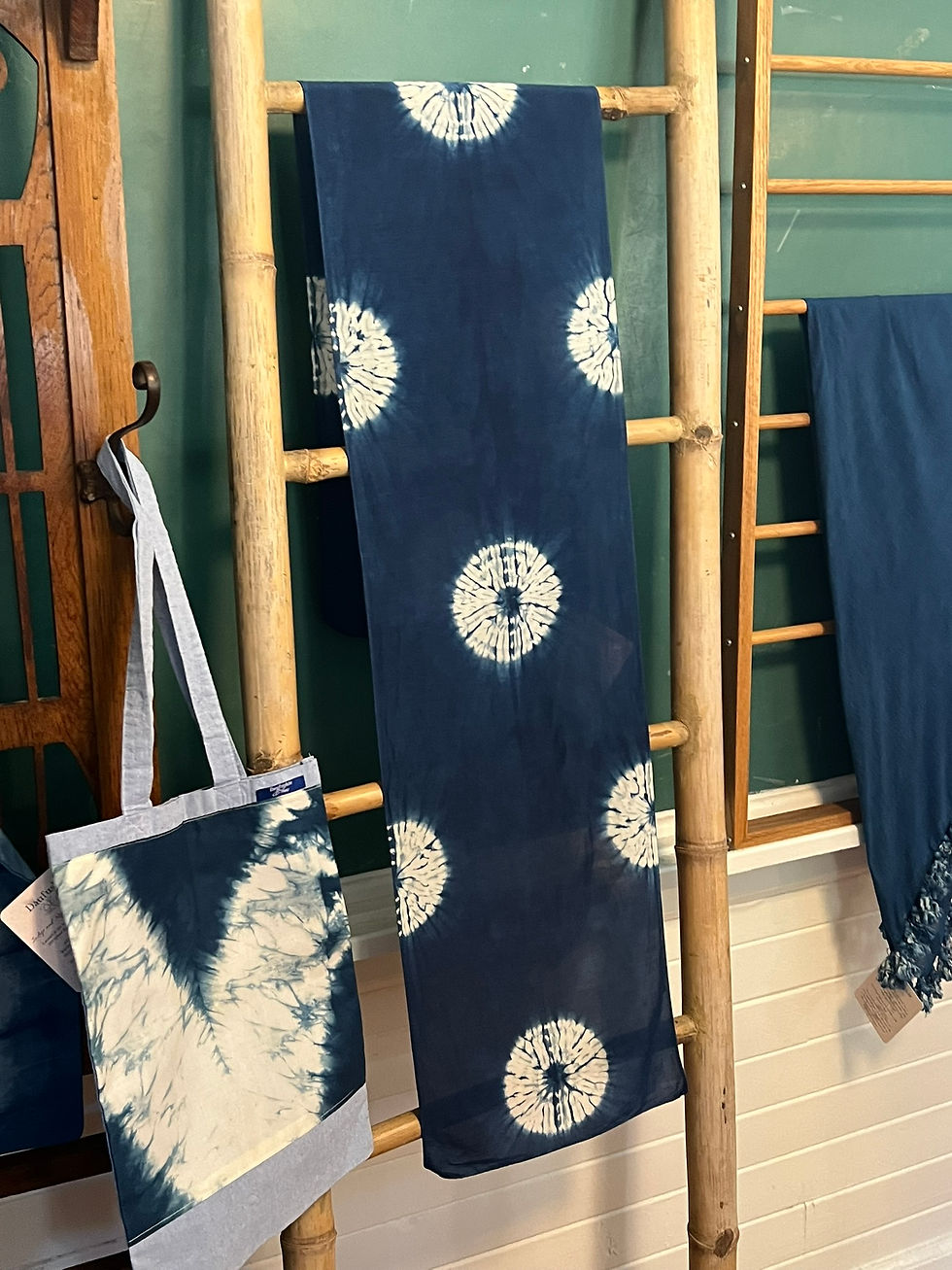
Across cultures, indigo has taken on unique regional meanings while maintaining a shared aura of mystery and significance. In West Africa, resist‑dyed indigo cloths have long served as currencies of social and spiritual value, used in ceremonies, trade, and storytelling textiles. In Japan, aizome (indigo dyeing) evolved into highly refined techniques like shibori, where intricate resist patterns adorn garments and household textiles with layered blue‑on‑blue designs. In India, the plant’s long cultivation history made “blue gold” a powerful, sometimes dangerous economic force.
Symbolism and psychology
Because it hovers between blue and violet, indigo is often associated with both intellect and spirituality. In color psychology and design language, indigo is linked to intuition, introspection, sincerity, and a sense of deep inner calm. It tends to feel more solemn and contemplative than bright blue, offering an emotional space that supports focus, meditation, and reflection rather than outward exuberance. Many people reach for indigo when they want to communicate trust, depth, or quiet authority rather than loud confidence.
Indigo and the third eye

In many modern chakra systems, indigo corresponds to the sixth chakra, often called the third eye or Ajna, associated with perception beyond ordinary sight. This link frames indigo as the color of insight, dreams, and that subtle knowing that arises from within rather than from reasoning alone. Meditative practices sometimes use indigo visualizations to invite clarity, discernment, and the ability to see patterns below the surface of life. For makers, wearing or working with indigo can feel like a ritual of tuning into that inner guidance.
Historically, indigo signified wealth and power, because the dye was difficult to produce and reserved for elites in many societies. In colonial eras it became a major economic engine, shaping global trade and also contributing to exploitation of farmers and enslaved laborers who cultivated and processed the crop. The story of indigo is therefore both artistic and political, tied to empire-building, resistance movements, and the struggle for fairer working conditions.
Daufuskie Island
Our family enjoyed visiting Daufuskie Island, a barrier island between Hilton Head and Savannah. We went via the Lowcountry Ferry from Shelter Cove Marina. Our visit included a narrated tour with two tour guides driving us around in golf carts. One of the stops was this little boutique. I wished we had more time to spend here. You can do a workshop there. It's on my to do list for sure!

Daufuskie residents Leanne Coulter and Rhonda Davis run Daufuskie blues, an indigo dying company which is currently located in the historic Mary Field School built in 1933.
When you pull fabric or yarn out of an indigo dye vat, it looks yellow-green at first, then turns blue in the air over a few minutes. This color change happens as the dye (indoxyl) reacts with oxygen in the air and becomes solid indigo blue on the fibers. For a strong, lasting blue, the fabric usually needs to be dipped several times, with a few minutes of air exposure between each dip. After the final dip and rinse, the blue keeps deepening slightly over the next 24–48 hours as the dye fully oxidizes and settles into the fibers.
Hands-on experience
I participated in an indigo tie-dye workshop at the Coastal Discovery Museum on Dec 4 from 5-6:30 pm. Strongly recommended.
We all got an apron, a tote bag, four tea towels, a scarf, and one T-shirt (available in sizes Child S – Adult XXL) to dye and personalize. Price of this workshop ? $45, yes no joke!!!
The Coastal Discovery Museum offers a large program of awesome workshops. Check it out!
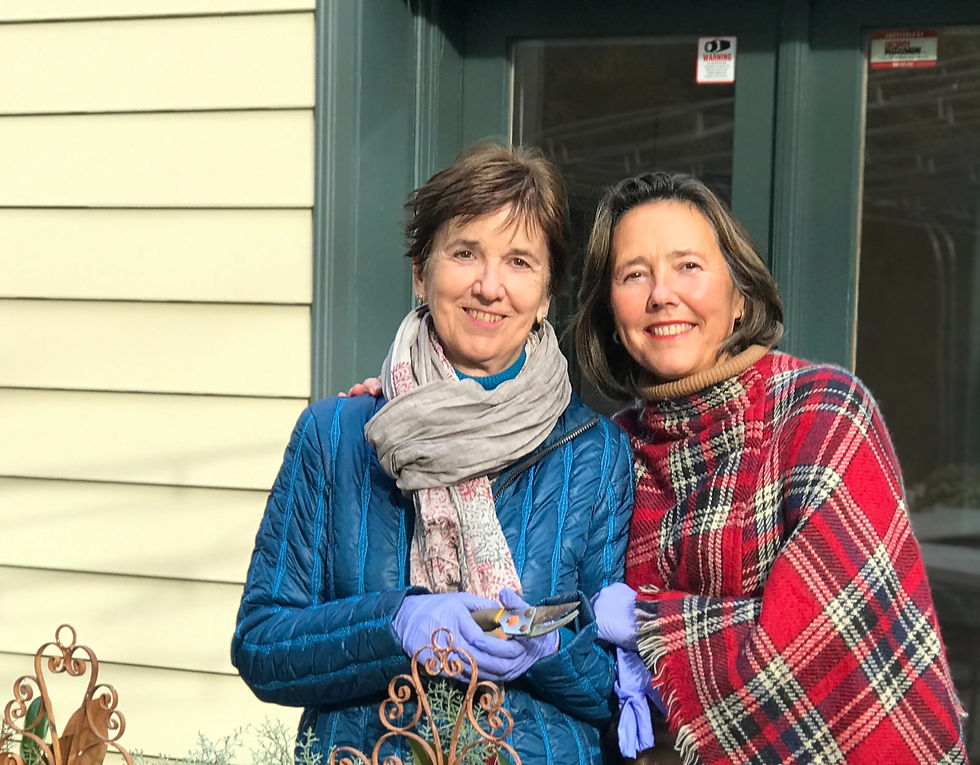
Jenna and Dawn, you were awesome! Thank you very much for all your hard work!



Comments